


Longitudinal, non-invasive tracking
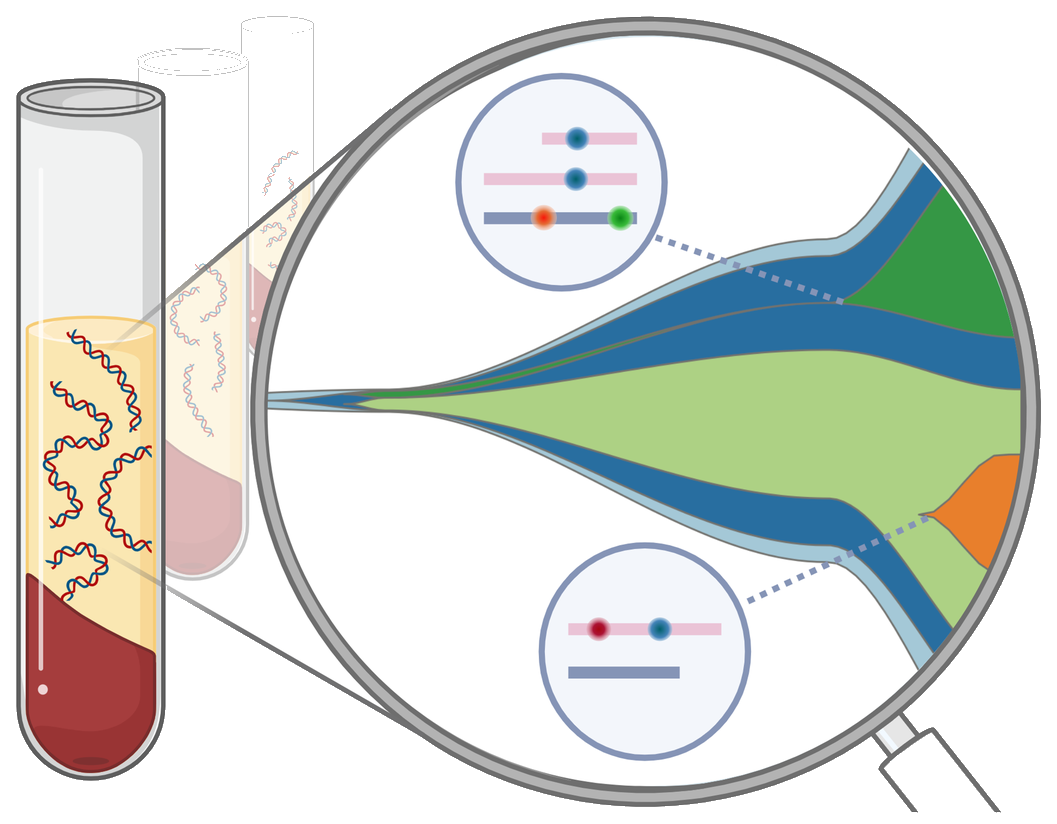
Holistically tracking the longitudinal dynamics of somatic evolution using non-invasive samples such as circulating tumour DNA, so cancer clones can be followed over space and time.
Tech & Methods Development · Evolutionary Dynamics · Non‑invasive Biomarkers
Explore our researchOur aim
We study the dynamics and drivers of Darwinian evolution in competing somatic cells to understand, detect and prevent cancer initiation, progression, metastasis and drug resistance.
We are a multidisciplinary research group led by Dr Alex Frankell (Alexander M. Frankell) in the Early Cancer Institute at the University of Cambridge. Our tissues are populations of cells that mutate, compete and are selected throughout life: the same Darwinian process that, in a small fraction of cases, culminates in cancer.
We track this somatic evolution across space and time, combining large longitudinal collections of non-invasive samples with detailed snapshots from tissue biopsies and the latest genomic technologies. Quantitative evolutionary models tie these data together into a picture of how, and how fast, the process unfolds. Our aim is to measure high-risk evolution as it happens and to turn those measurements into biomarkers that can detect and prevent cancer earlier.
Our work is generously supported by the Wellcome Trust, Cancer Research UK, the Academy of Medical Sciences, the Cowan Foundation, Downing College and the NIHR Cambridge Biomedical Research Centre.
Research themes
Holistically tracking the longitudinal dynamics of somatic evolution using non-invasive samples such as circulating tumour DNA, so cancer clones can be followed over space and time.
Understanding somatic evolution and carcinogenesis from detailed snapshots of tissue biopsies, reconstructing how competing clones initiate, progress and metastasise.
Developing clinical biomarkers to predict and detect high-risk somatic evolution, translating evolutionary measurements into tools for early detection and prevention.
The team
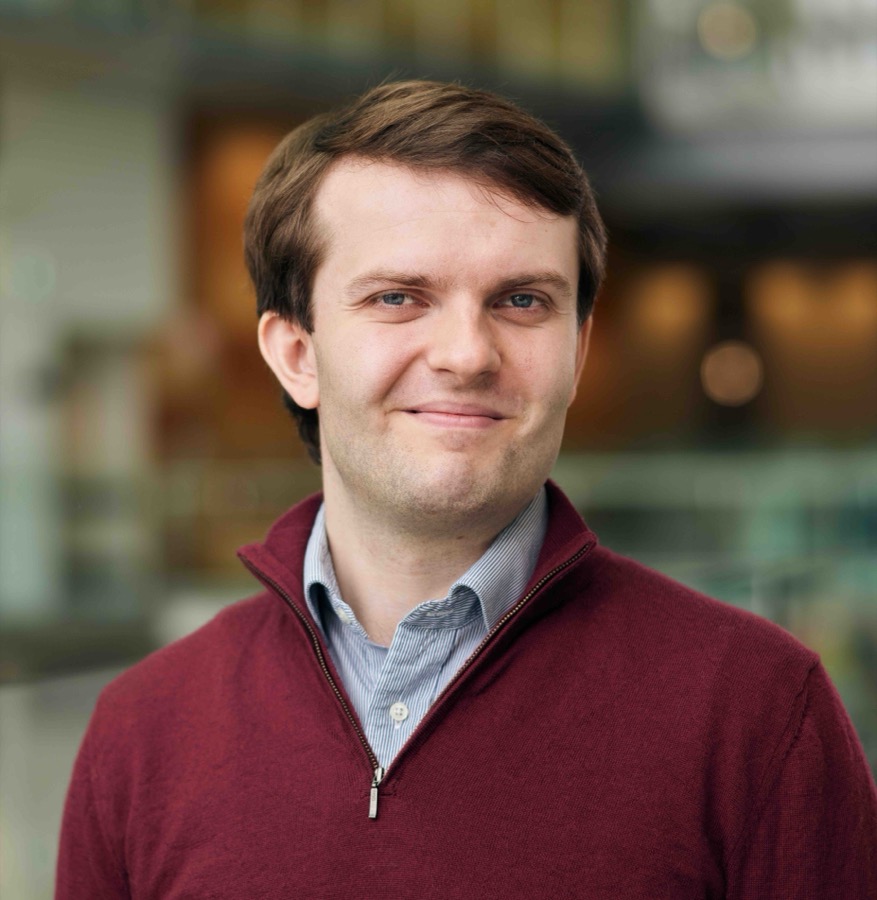
Alex Frankell
Group Leader · Assistant Professor
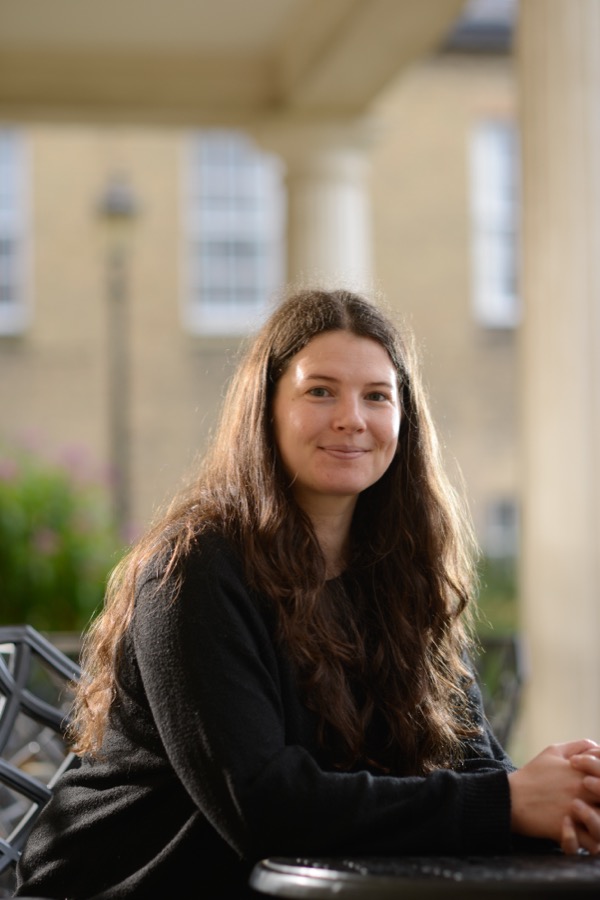
Emma Hazelwood
Postdoctoral Research Fellow in Cancer Evolution
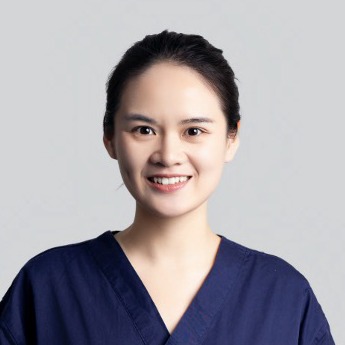
Lianlian (Leanne) Wu
Clinical Research Associate
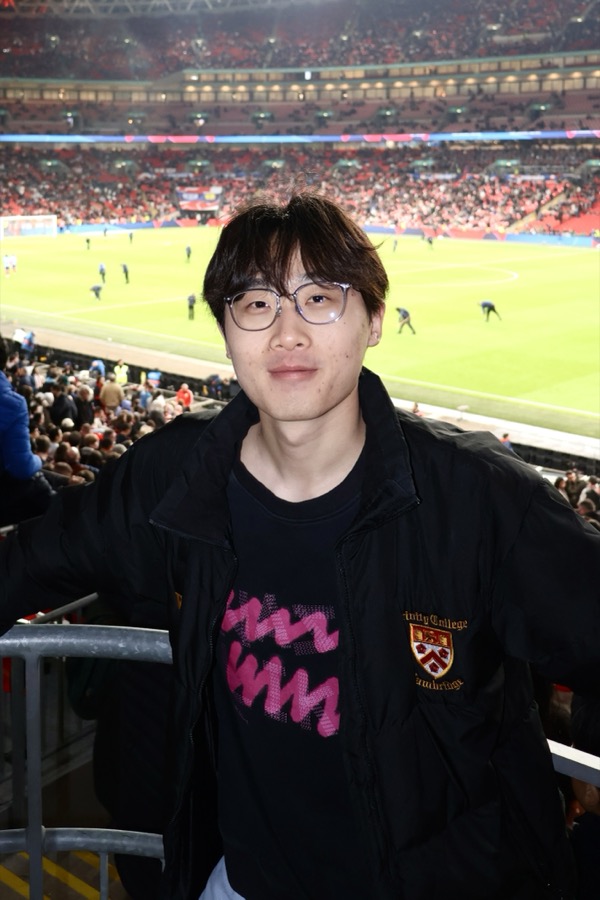
Woody Zhidong Zhang
PhD Student
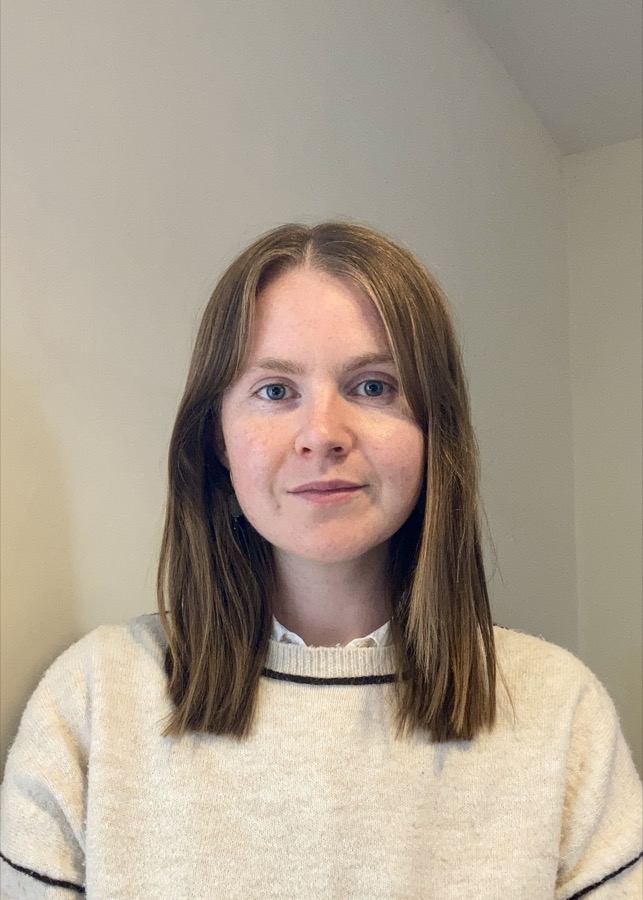
Katie Honan
PhD Student
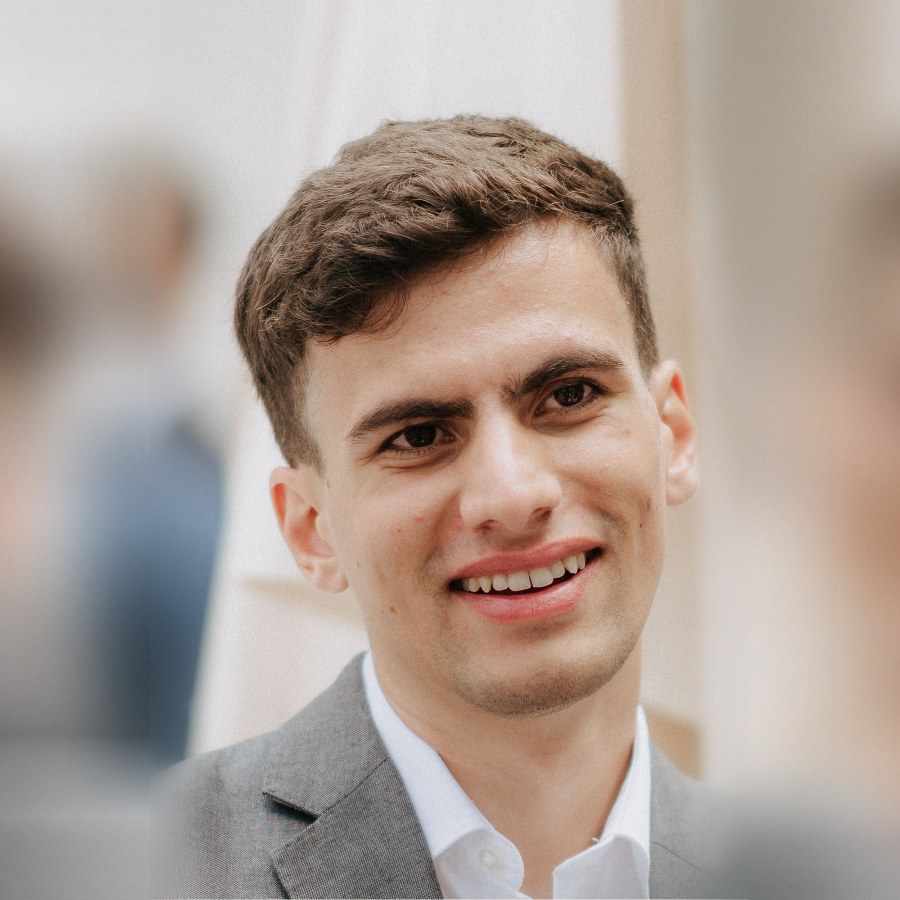
Thomas Pons
PhD Student
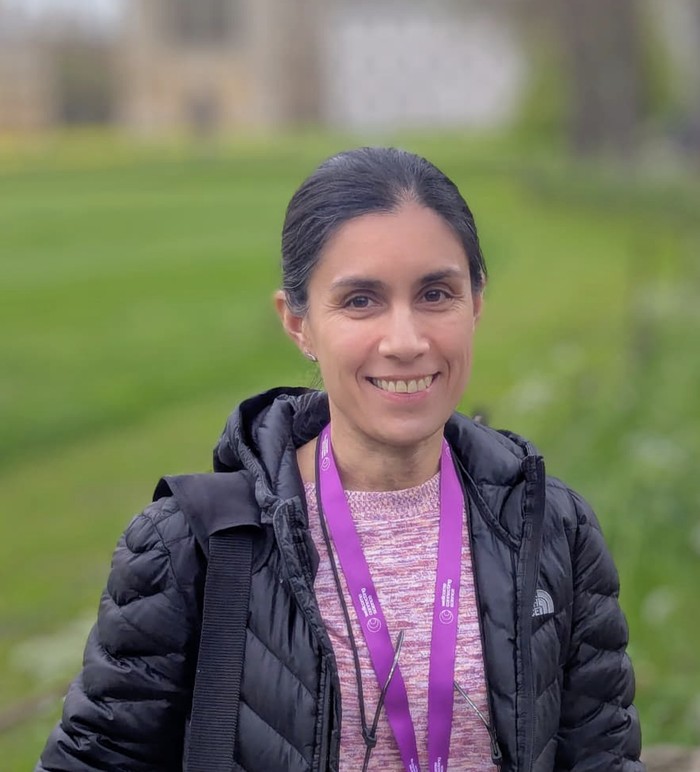
Fabiola (Fabi) Roman Maldonado
Senior Research Technician in NGS
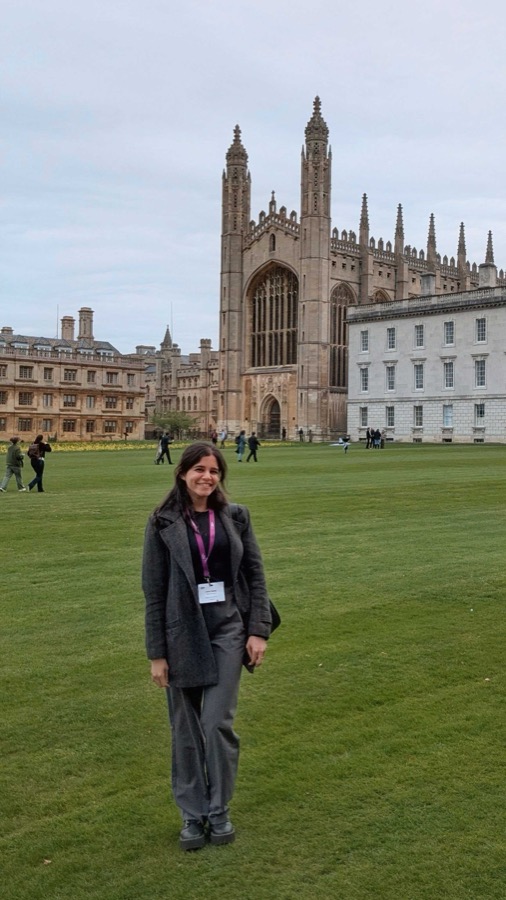
Janhavi Rastogi
Research Assistant
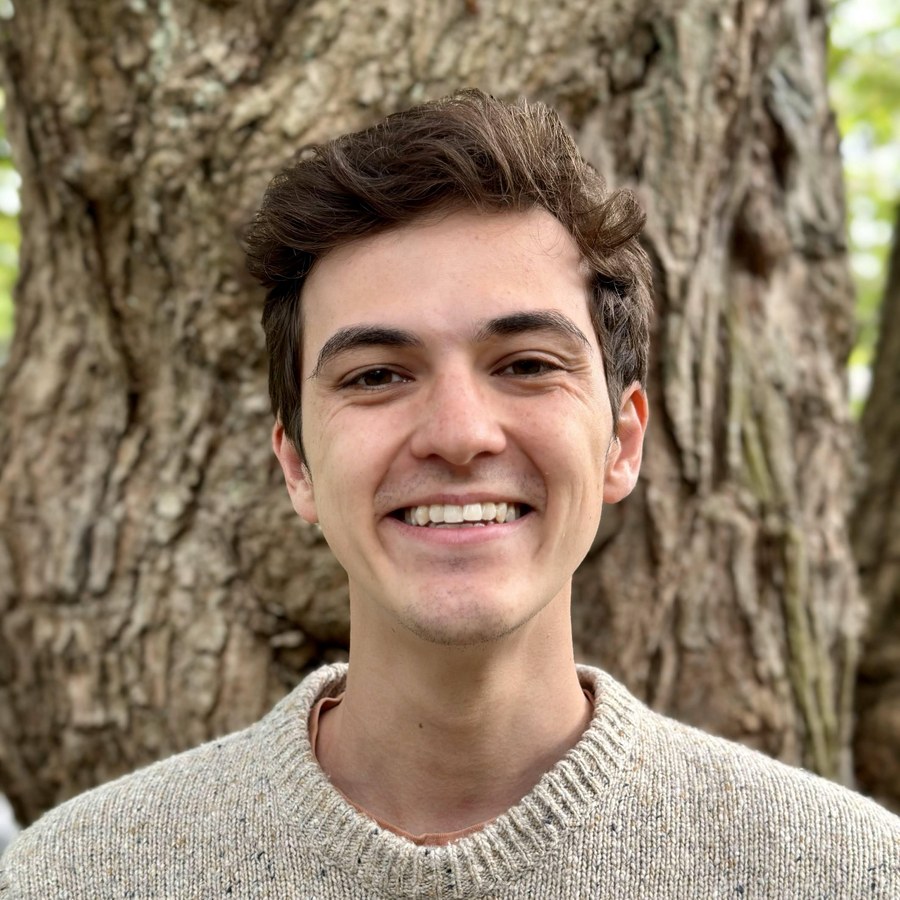
Tim Somerset
Computational Research Assistant
Selected work
Harnessing genomics for early cancer detection, risk stratification and prevention
Nature Genetics, 58(4), 704–716
Longitudinal ultrasensitive ctDNA monitoring for high-resolution lung cancer risk prediction
Cell, 188(25), 7083–7098
Ultrasensitive ctDNA detection for preoperative disease stratification in early-stage lung adenocarcinoma
Nature Medicine, 31(1), 70–76
The evolution of lung cancer and impact of subclonal selection in TRACERx
Nature, 616, 525–533
Where we work
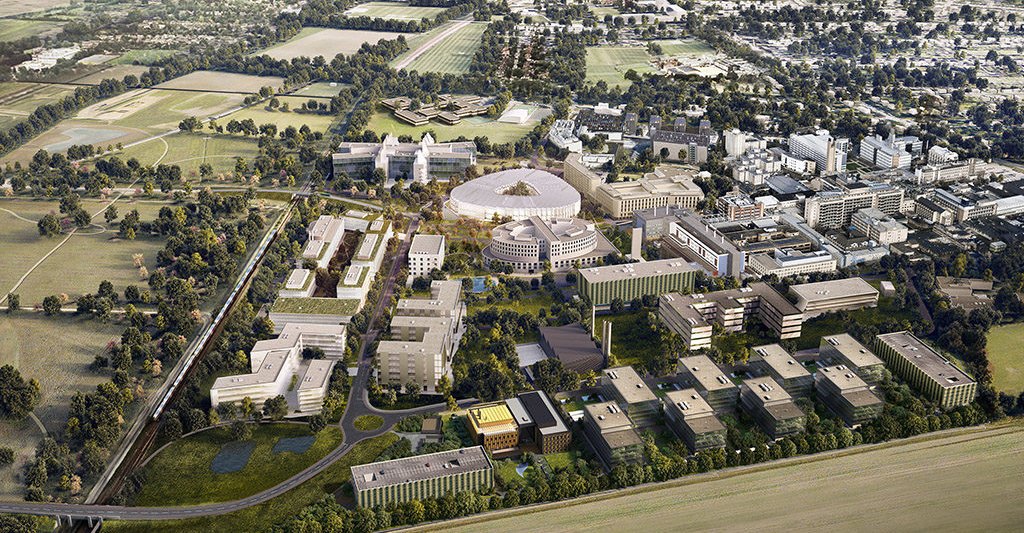
We are based in the Early Cancer Institute, the first institute in the UK dedicated solely to early cancer research, within the CRUK Cambridge Centre and the University of Cambridge. Down the corridor or a short walk are collaborators including Rebecca Fitzgerald, Florian Markowetz, Tom Mitchell, Jamie Blundell, Caroline Watson and Matt Hoare, a nationally leading sequencing core running the latest Illumina platform, the University's 100,000-CPU compute cluster, and Dawn, Cambridge's AI supercomputer.
All of this sits on the Cambridge Biomedical Campus, the largest centre of medical research and health science in Europe and growing, home to the global headquarters of AstraZeneca and Abcam, with GSK and BioNTech both building new R&D centres here. Cambridge South station, opened in 2026, puts our closest lung cancer collaborators at the Francis Crick Institute and UCL under an hour away door to door.
Cambridge is also the home of modern genomics: the double helix, Sanger sequencing and next-generation sequencing were all invented within a few miles of our desks. The University's 31 colleges give lab members a second community outside the lab.