Where we work
Our host environment
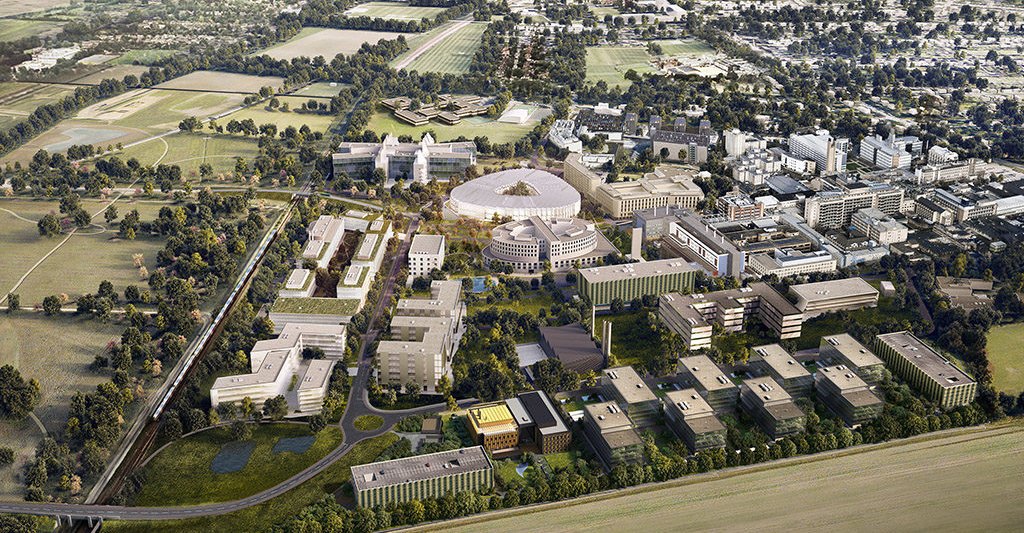
The Early Cancer Institute, the Cambridge Biomedical Campus, and Cambridge University, the home of genomics.
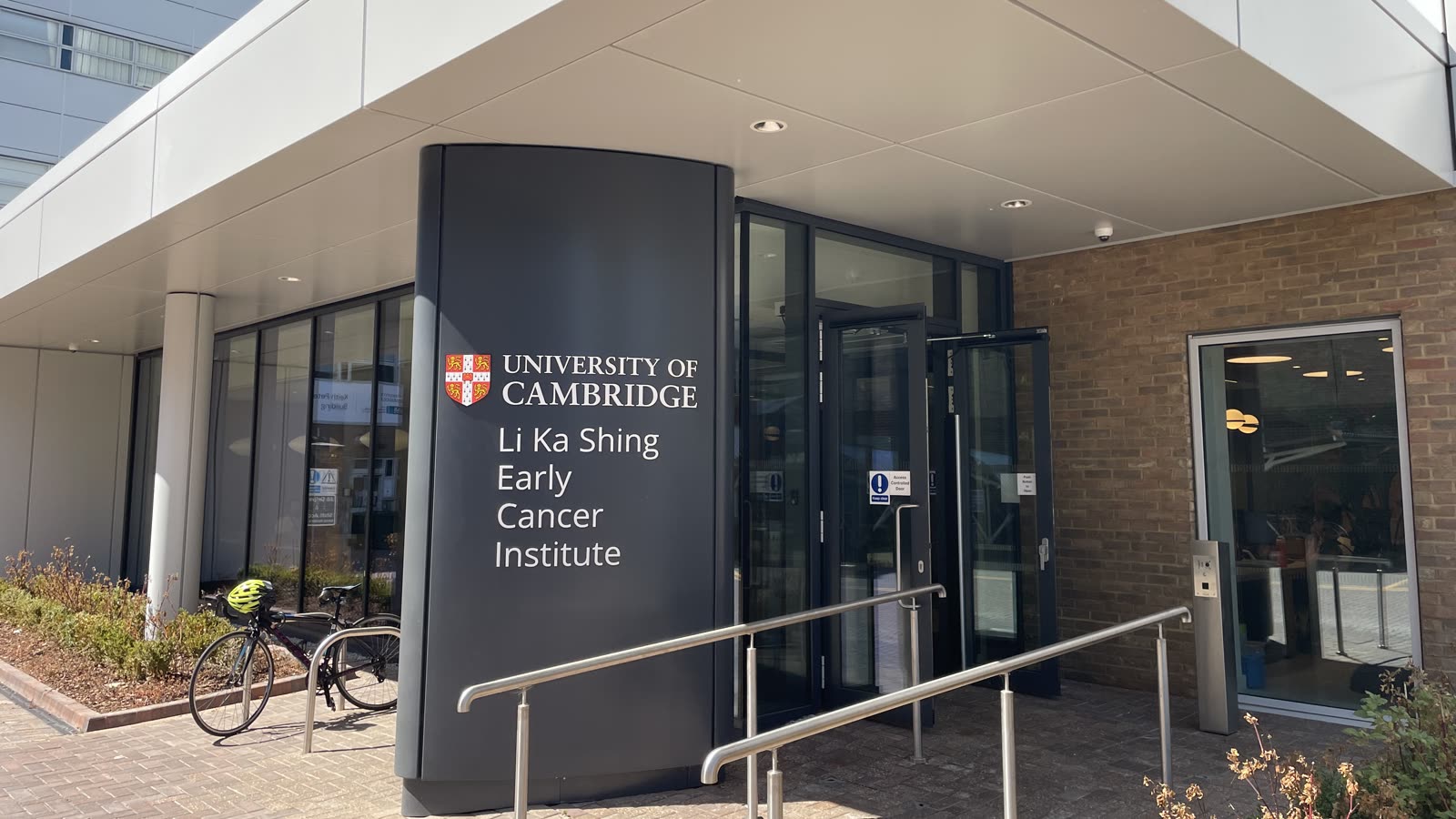
We are based in the Early Cancer Institute (ECI), the first institute in the UK dedicated solely to research on early cancer. It brings together around 120 researchers pursuing three goals that map directly onto our own work: improving cancer risk prediction, detection and interception. The institute’s main building reopened in 2026 after a £22M extension and renovation. The ECI sits within the CRUK Cambridge Centre and the University of Cambridge.
The University itself was founded in 1209 and is built around 31 largely self-governing colleges that sit alongside the academic departments. PhD students belong to a college as well as to a department, which usually means a second community, and a second set of friends, entirely outside the lab; some postdocs hold college fellowships too, as Dr Emma Hazelwood currently does at Downing. Between them the colleges and departments count 126 Nobel laureates.
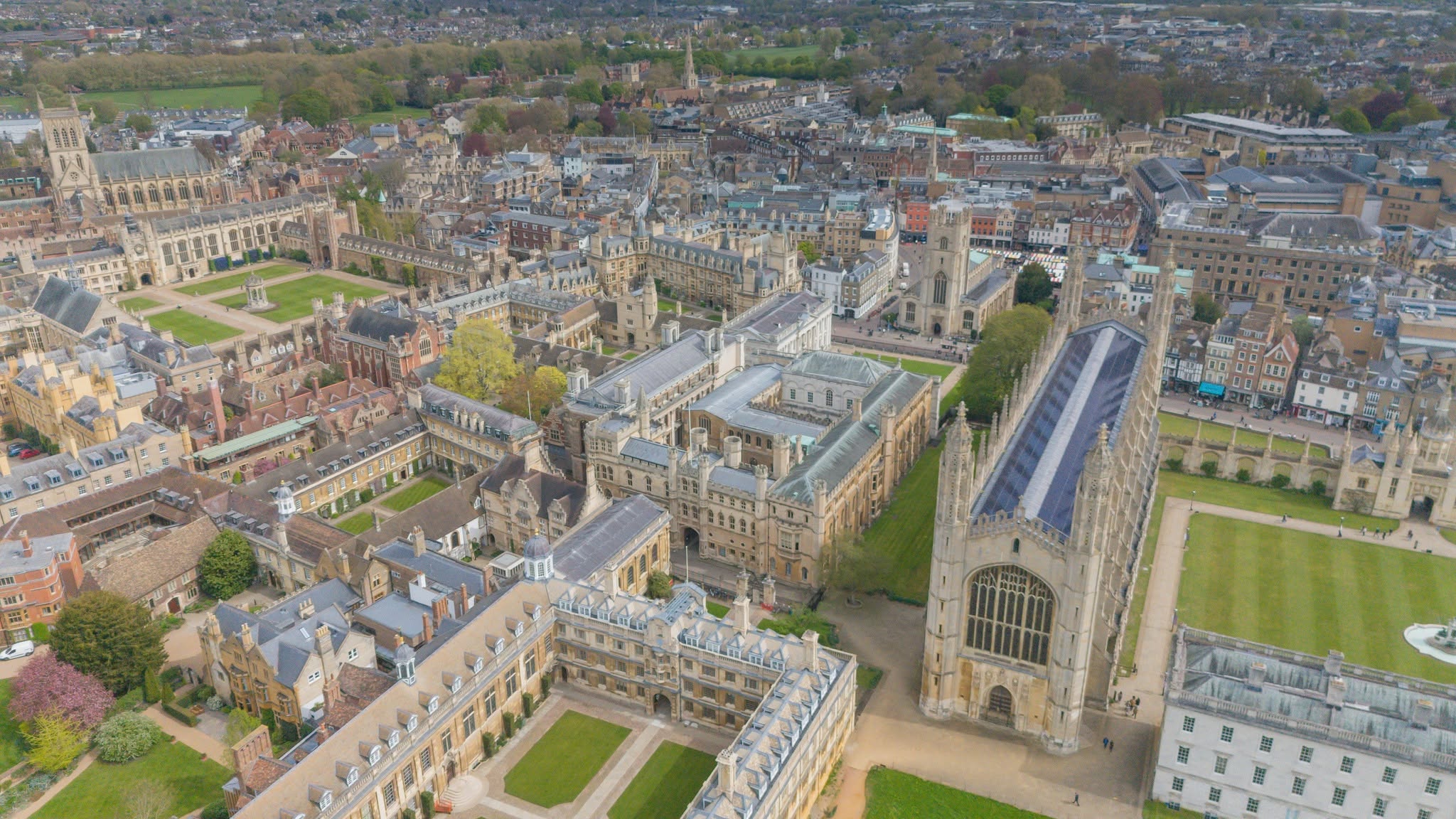
Cambridge is also the home of modern genomics. The double-helix structure of DNA was solved at the Cavendish Laboratory in 1953. Fred Sanger, working at the MRC Laboratory of Molecular Biology, developed the first practical method for reading a DNA sequence and won a second Nobel Prize for it in 1980. Next-generation sequencing was invented here too: Shankar Balasubramanian and David Klenerman devised the sequencing-by-synthesis chemistry behind it and spun it out as Solexa in 1998, which Illumina acquired in 2007 and which now accounts for the large majority of all DNA sequenced worldwide. A few miles down the road at Hinxton, the Wellcome Sanger Institute made the largest single contribution of any centre to the Human Genome Project. Most of the methods we use daily were invented within a few miles of our desks.
Down the corridor or a short walk are our closest collaborators (Rebecca Fitzgerald, Florian Markowetz, Tom Mitchell, Jamie Blundell, Caroline Watson and Matt Hoare). For sequencing we work with the nationally leading CRUK Cambridge Institute Genomics Core, which houses an Illumina NovaSeq X Plus, the latest and highest-throughput Illumina sequencer, that makes our ultra-high-depth, broad approaches possible. Computationally, the University’s CSD3 cluster gives us access to well over 100,000 CPUs, and for machine-learning work we can call on Dawn, Cambridge’s GPU-based AI supercomputer and one of the two systems making up the UK’s national AI Research Resource.
All of this sits on the Cambridge Biomedical Campus, the largest centre of medical research and health science in Europe, home to more than 30 academic or commercial medical research organisations and two hospitals, with more than 23,000 people working across it and growing. Our neighbours include Addenbrooke’s Hospital, Royal Papworth Hospital, the CRUK Cambridge Institute, the MRC Laboratory of Molecular Biology (14 Nobel Prizes), and the global headquarters of AstraZeneca (5th largest global pharma company) and Abcam. GSK and BioNTech are both building new R&D centres here. The Cambridge Cancer Research Hospital, due to open in 2029, will add NHS clinical space and three new University research institutes on the same site.
Cambridge South train station opened directly on campus in June 2026, putting London King’s Cross about 45 minutes away by direct train. That matters to us because most of our lung cancer collaborators sit at the other end of that line: Prof Charles Swanton at the Francis Crick Institute, which is next door to St Pancras, and the groups of Nicholas McGranahan, Mariam Jamal-Hanjani, Crispin Hiley and Simone Zaccaria at the UCL Cancer Institute a short walk further on. Door to door, we can be with them in under an hour.
We are unusually well placed to combine proximity to the clinicians who collect the samples, the sequencing capacity to interrogate them, the compute to analyse them, and the people whose papers you are reading, all within a few minutes’ walk.