The team
People
The team behind the science.
Current
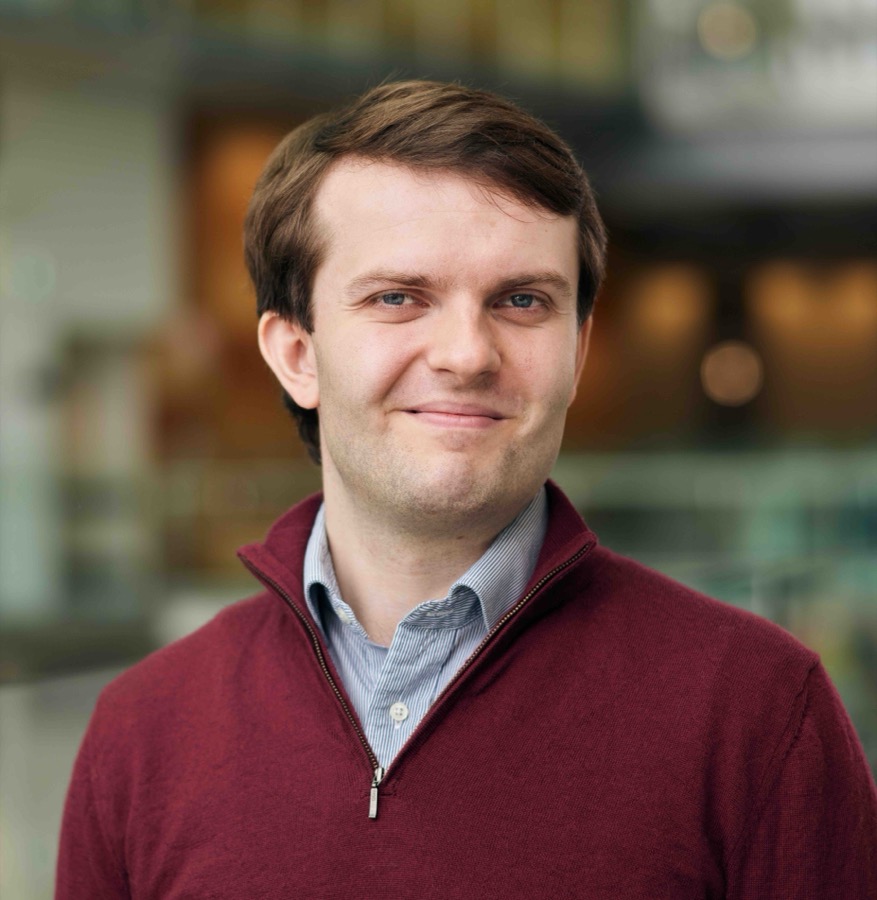
Alex Frankell
Group Leader · Assistant Professor
Alex leads the Somatic Evolution Monitoring Lab at the Early Cancer Institute. He completed his PhD at the MRC Cancer Unit, University of Cambridge, where he led whole-genome sequencing analysis in the Oesophageal ICGC project and followed up his findings in plasma circulating tumour DNA. He then undertook a postdoctoral fellowship at UCL and the Francis Crick Institute as part of the TRACERx study, using multiregional sequencing and longitudinal plasma sampling to uncover novel patterns of clonal evolution and biomarkers in non-small cell lung cancer. He has since developed multiple novel methods and intellectual property, including computational and experimental approaches to track cancer evolution across space and time, such as cloneMap, ECLIPSE and ParallelGDDetect. He holds an 8 year, £2.6M Wellcome Career Development Award alongside several other project grants which support the lab's work.
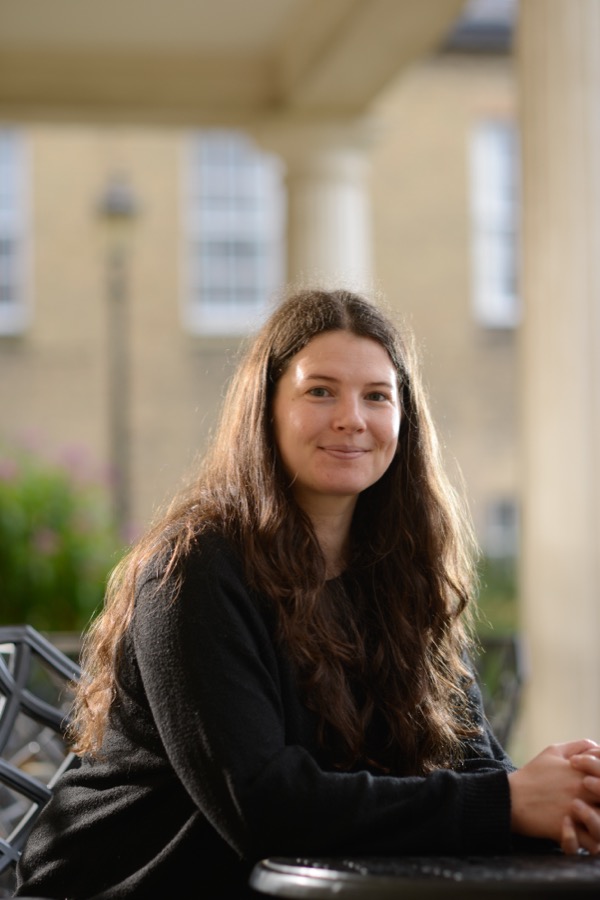
Emma Hazelwood
Postdoctoral Research Fellow in Cancer Evolution
Emma joined the lab as a postdoc, after completing her PhD in Cancer Epidemiology at the University of Bristol in 2024. Emma now works on developing spatial DNA sequencing technologies and contributing to the TRACERx lung cancer project, focussing on germline analyses. Alongside her position in the Frankell lab, Emma also holds the Everitt Butterfield Research Fellowship at Downing College. Outside of work, she enjoys watching live music and participating in pub quizzes.
Lianlian (Leanne) Wu
Clinical Research Associate
Leanne is a Clinical Research Associate co-supervised by Prof. Rebecca Fitzgerald and Dr. Alex Frankell. She received her M.D. (PhD equivalent) from Wuhan University in 2020 and previously worked as a gastroenterologist in China, where she co-led the development and clinical translation of EndoAngle, an artificial intelligence system that improved the endoscopic detection of early gastrointestinal cancers. Since joining Cambridge in 2023, her research has evolved from AI-assisted endoscopy to cancer genomics, with a particular focus on using copy-number alterations and minimally invasive sampling approaches for early cancer detection and risk stratification. Her long-term goal is to integrate minimally invasive sampling, multi-omics and AI to enable biology-driven risk prediction and personalised screening and surveillance for GI cancers.
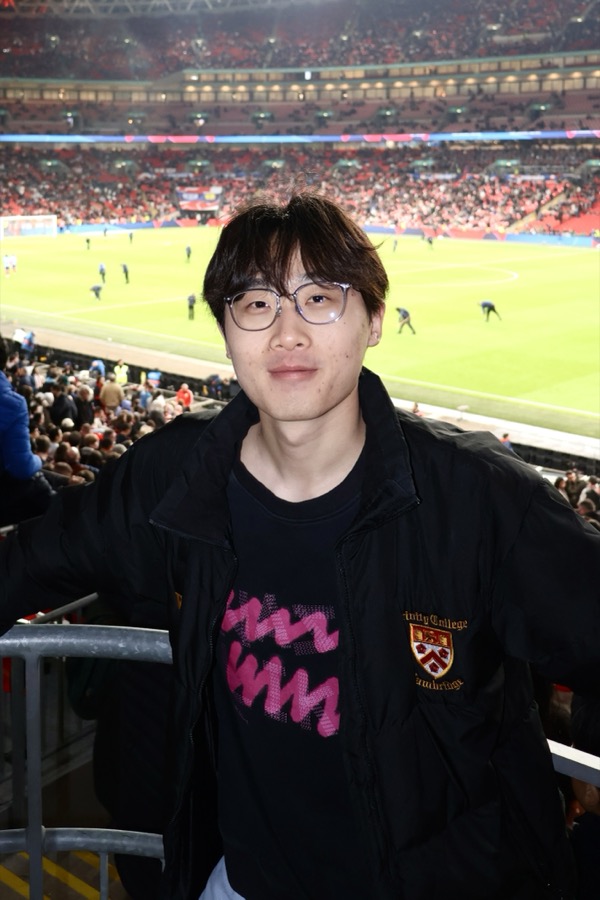
Woody Zhidong Zhang
PhD Student
Woody studied computational biology at Sichuan University before completing an MPhil in Chemical Pathology with Professor Dennis Lo at the Chinese University of Hong Kong, where he studied cell-free DNA biology and its applications in non-invasive prenatal and cancer testing. He joined the Frankell lab as a PhD student in 2024. His research focuses on developing sensitive computational genomics methods to detect chromosomal instability and track tumour evolution in non-invasive samples, including circulating tumour DNA and capsule sponges. He applies these methods to some of the most lethal cancers, including lung and oesophageal cancers, with the aim of improving early detection and risk stratification. Outside the lab, Woody enjoys football, hiking and photography.
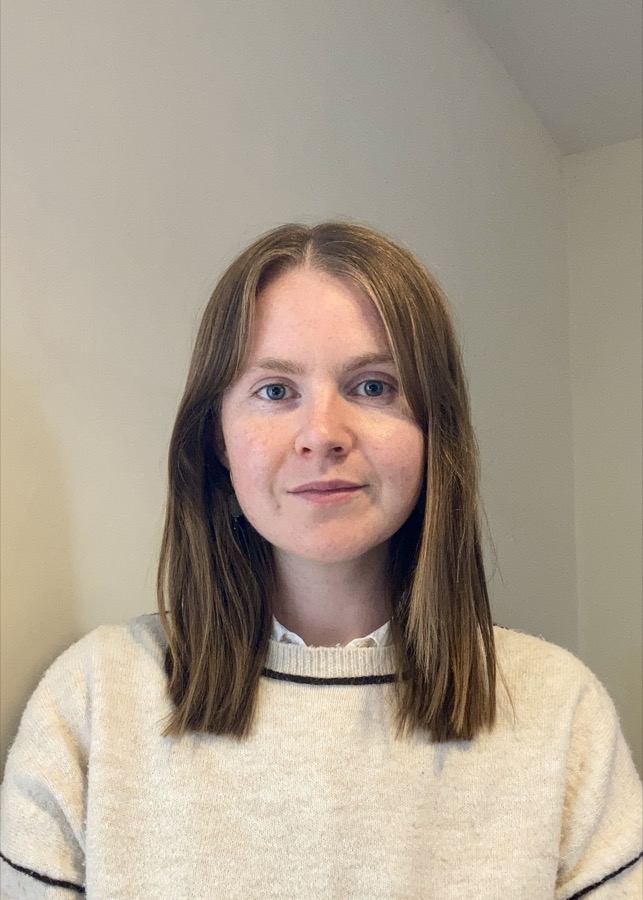
Katie Honan
PhD Student
Katie is a PhD student investigating the evolutionary processes that drive cancer progression using genomic data from tumour tissue and circulating tumour DNA (ctDNA). Her research leverages computational cancer genomics to study clonal evolution, metastatic dissemination, and the transition from premalignant disease to invasive cancer across multiple tumour types. Before joining the lab, she completed an MSc in Bioinformatics at the University of Birmingham and worked as a bioinformatician in the Cancer Molecular Diagnostics Laboratory at the University of Cambridge, where she developed scalable bioinformatics pipelines for the analysis of clinical next-generation sequencing data. In her free time, Katie enjoys running, swimming and travelling.
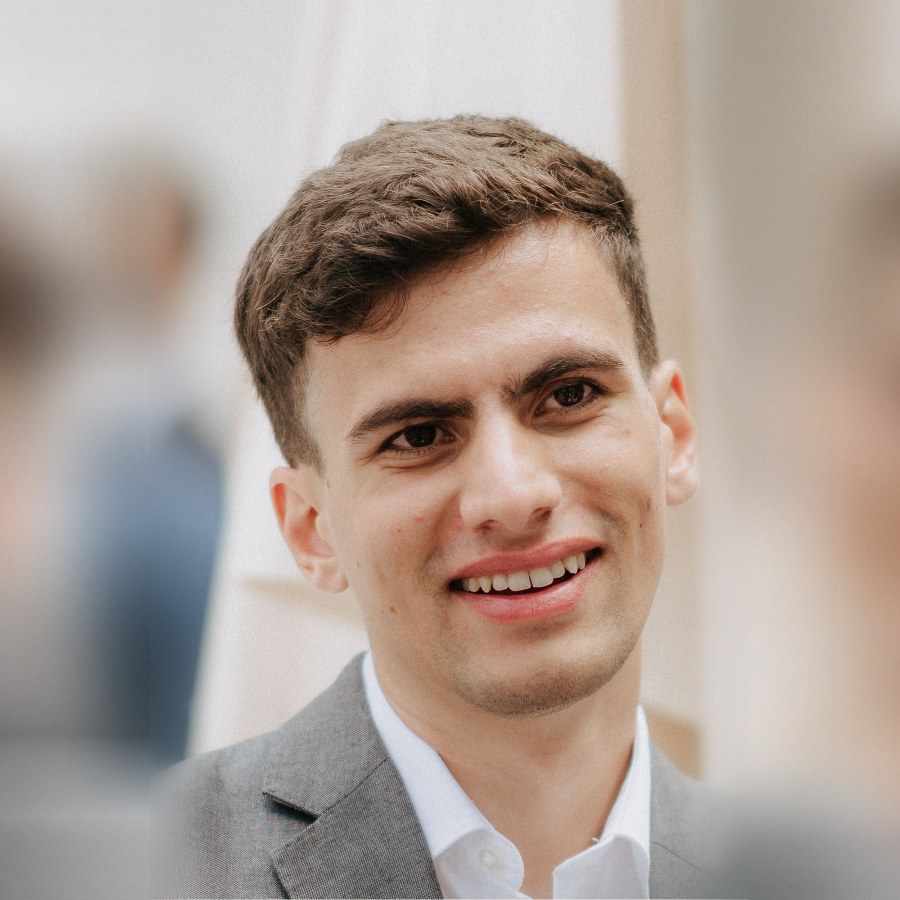
Thomas Pons
PhD Student
Thomas is a PhD student jointly supervised by Dr Alex Frankell and Prof Rebecca Fitzgerald. He graduated with an MSci in Natural Sciences from the University of Exeter, where his master's research explored the neuroendocrine stress response in rats. His current research focuses on leveraging copy-number alterations alongside other multi-omic features to identify putative biomarkers for the early detection of oesophageal squamous cell carcinoma. He ultimately aims to integrate these with the non-endoscopic capsule sponge to produce a clinically relevant screening tool for the disease.
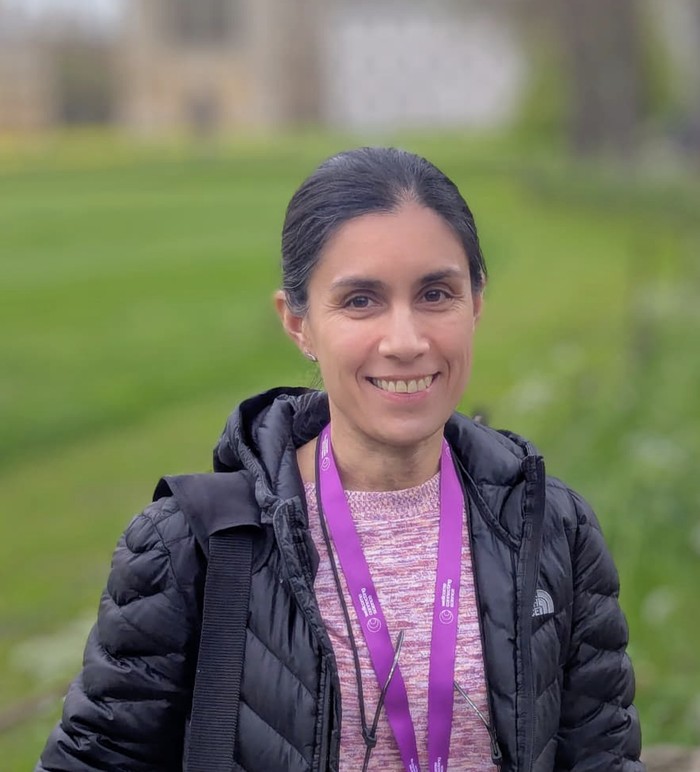
Fabiola (Fabi) Roman Maldonado
Senior Research Technician in NGS
Fabi has an MSc and PhD in Parasitology from FIOCRUZ, Brazil, where her work focused on the genetic diversity of the parasite that causes Chagas disease in South America. In 2020 she joined the Sanger Institute in Sequencing Operations, working on library preparation for the Tree of Life project using PacBio and Illumina platforms, and also developed expertise in Hi-C processing of ultra-low input samples. She joined the Frankell lab to focus on duplex sequencing and is also driving the development of spatial genomics techniques.
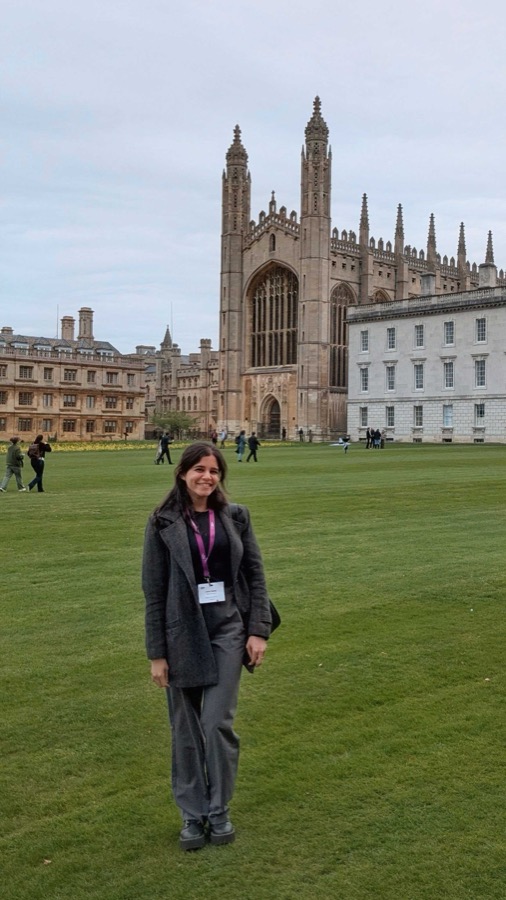
Janhavi Rastogi
Research Assistant
Janhavi received her M.Sc. in Biomedical Science from the University of Bristol, where her final-year research focused on cell synchronisation in osteoarthritis. She then joined the CRUK Manchester Institute, investigating circulating tumour cells (CTCs) as biomarkers for cancer detection in Prof Caroline Dive's Laboratory. Since joining the Frankell Lab in January 2026, her research has focused on advancing early cancer detection through the longitudinal analysis of circulating tumour DNA (ctDNA), with the aim of improving our understanding of tumour evolution and disease monitoring.
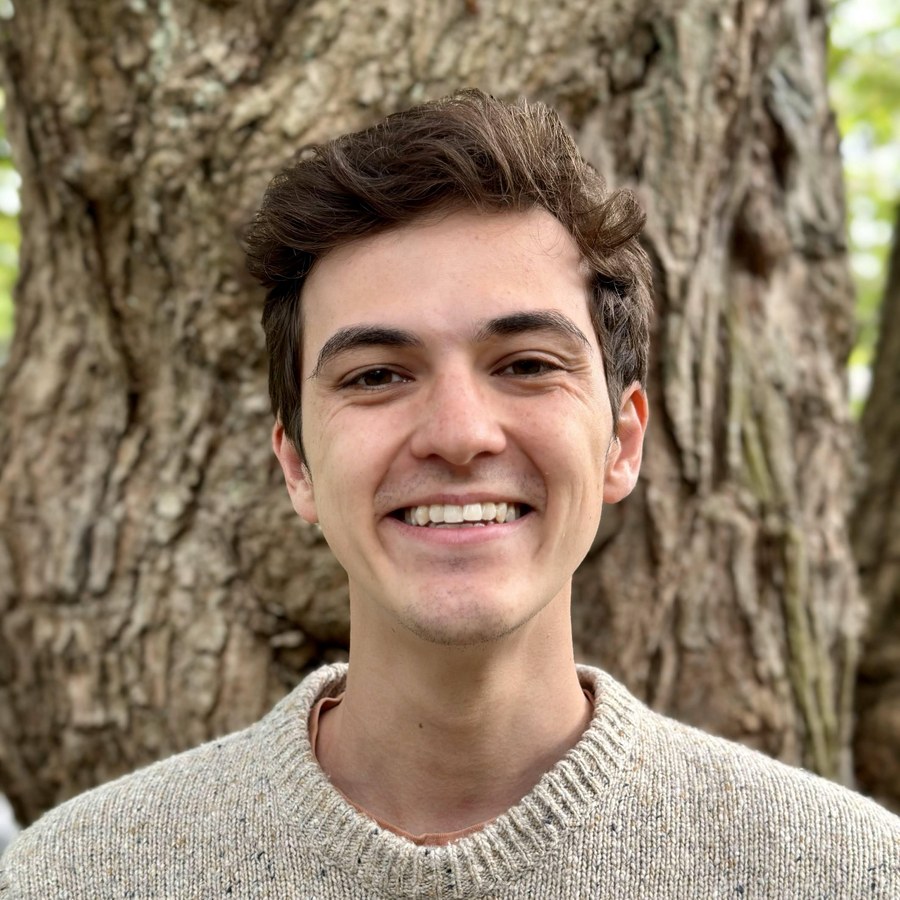
Tim Somerset
Computational Research Assistant
Tim is a research assistant jointly supervised by Prof Rebecca Fitzgerald and Dr Alex Frankell, working on bioinformatics and clinical statistics at the Early Cancer Institute. He completed an MPhil in Computational Biology at the University of Cambridge. With the SEM lab he builds bioinformatic pipelines for new sequencing cohorts and develops statistical methods for quality control in clinical shallow whole-genome sequencing projects, including a method for detecting sample swaps in large multiregion sequencing datasets. His broader work with the Fitzgerald group includes biomarker discovery in Barrett's oesophagus and clinical trial statistics for cancer screening studies.
Alumni
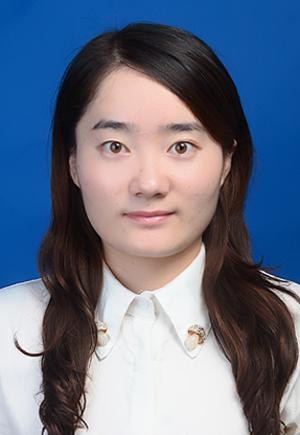
Tiantian Ye
Visiting Scholar
Tiantian is an Associate Professor in the Department of Chemistry at Wuhan University, where her research uses mass spectrometry to study nucleic acid modifications. She joined the Frankell lab as a visiting scholar for one year from 2025 to 2026, during which she established critical in vitro models of cell-free DNA shedding using blood- and tumour-matched samples from the same individuals. These models now provide an infinite, reproducible source of ctDNA admixtures used for analytical benchmarking across several other projects in the lab. Tiantian has since returned to her position at Wuhan University, taking the skills she gained in Cambridge back into her own research.
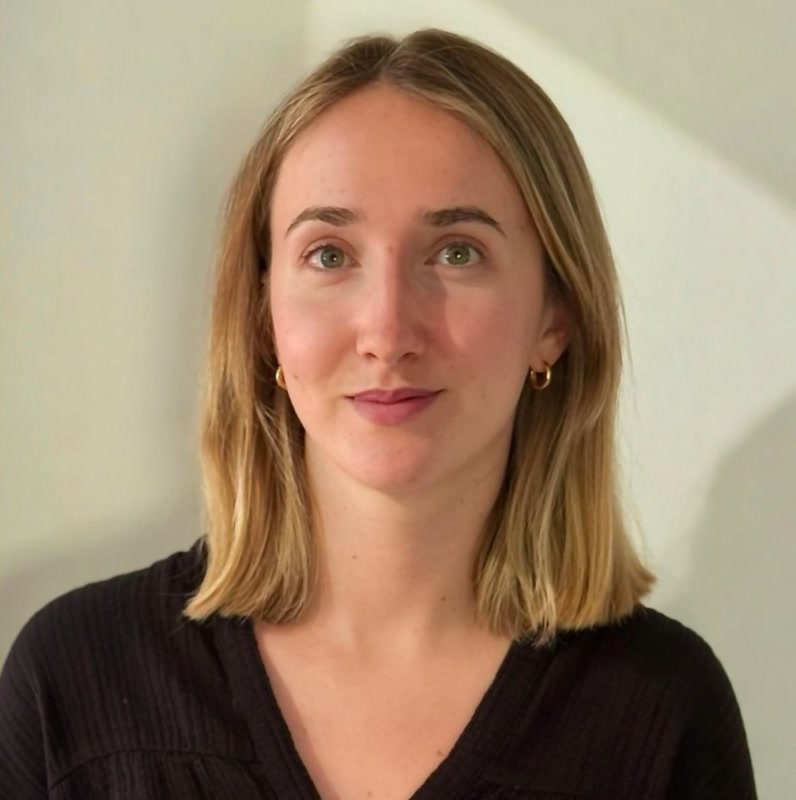
Hannah Bazin
Master's Student
Hannah completed her undergraduate degree in Life Sciences Engineering at EPFL in Switzerland, including an exchange year in Biomedical Engineering at Johns Hopkins University in Baltimore. She then completed an MPhil in Biomolecular Science at the Milner Therapeutics Institute and continued with an MRes+PhD in Cancer Biology at the University of Cambridge. She joined the Frankell lab for four months in 2026. Her project used personalised deep sequencing of mutations from the TRACERx study to identify new determinants of differential circulating tumour DNA (ctDNA) shedding between clonal mutations. Hannah is now doing her PhD in Brain Cancer Genetics in the Blundell lab.
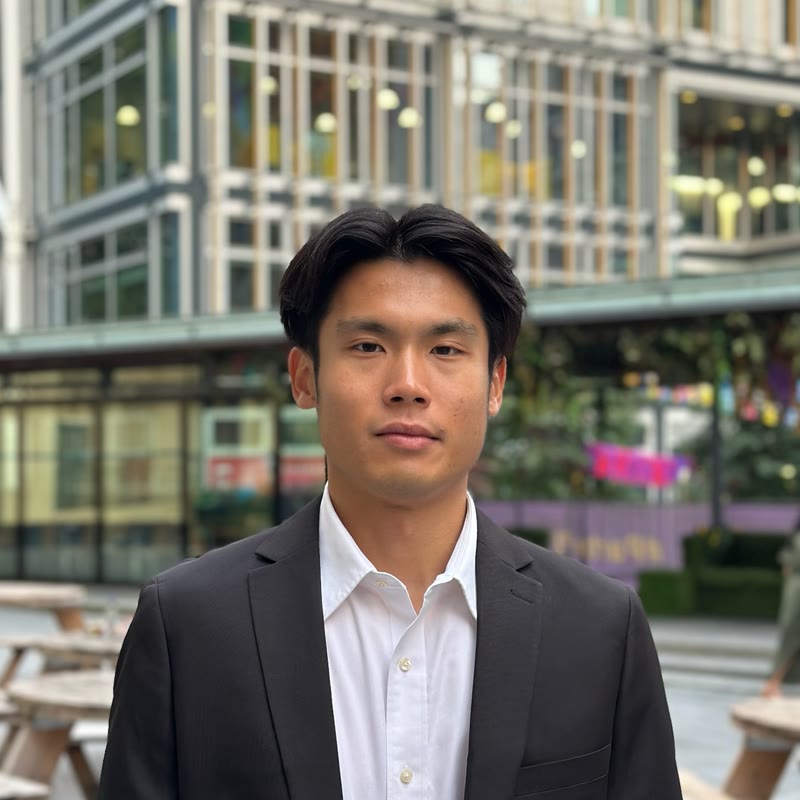
Jason Aik
Undergraduate Summer Student
Jason was a summer student in the lab for four months in 2024 during his Natural Sciences undergraduate degree at the University of Cambridge. He developed methods for stabilising cell-free DNA in vitro using chemically modified nucleic acids designed against a panel of hotspot mutations derived from large-scale next-generation sequencing data. He has since received his BA in Natural Sciences (Chemistry) from the University of Cambridge in 2025 and is currently an MPhil student at the Department of Chemistry. His MPhil project focuses on engineering photoswitchable proteins for light-controlled permeabilization of the bacterial outer membrane. Jason joins the lab as a research assistant in January 2027.
Interested in joining? We are always keen to hear from prospective postdocs and PhD students with backgrounds in genomics, mathematics, statistics, computational biology or medicine. See Opportunities or Contact.